Hormonal Wellness
Hot Flashes and Blood Sugar: The Connection Worth Paying Attention To
Aja Diack ·
You have tried the supplements. The deep breathing. The cooling pillow. Maybe even the hormone therapy. And yet, the hot flashes keep coming.
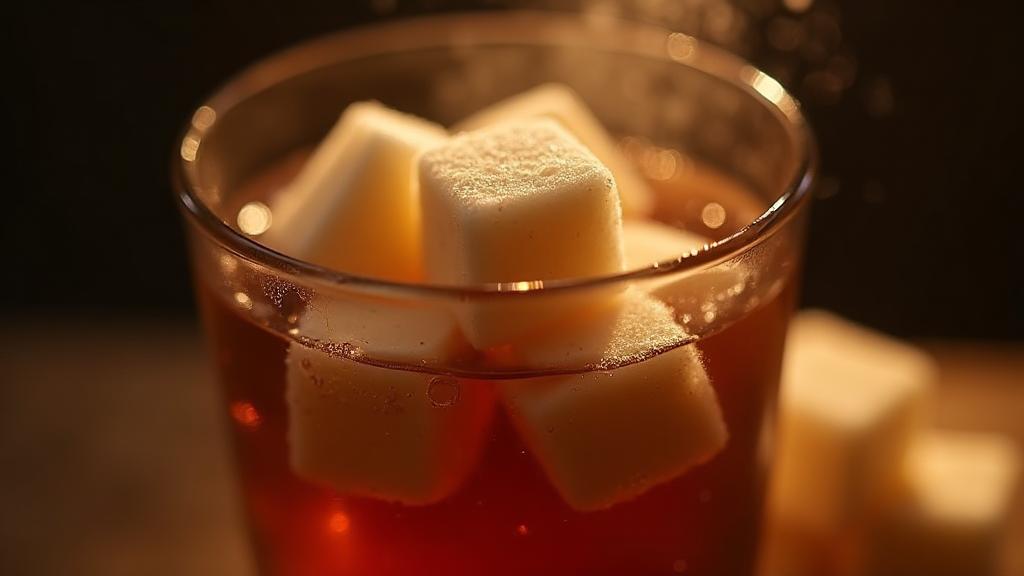
Here is something most people will not tell you: something in your daily routine may be worth a closer look. In your glass of bissap. In your morning gnamakoudji. In the three spoons of sugar you stir into your tea without thinking.
Sugar.
Not the fact that you eat it occasionally. The fact that it has quietly become the foundation of nearly every drink and many meals in your daily life, and your perimenopausal body is reacting to it in ways it never did before.
Why Sugar Hits Differently Now
Before perimenopause, your body had a more forgiving relationship with sugar. Estrogen helped regulate how your body processed insulin. Blood sugar levels recovered quickly. The occasional sweet indulgence was absorbed and moved on.
But as estrogen declines, everything changes.
For many women, the body becomes less efficient at managing insulin. Blood sugar can swing more after a sugary or refined meal. And each of those spikes creates a cascade of inflammation, hormonal disruption, and, yes, heat.
Some research has explored a link between blood sugar and hot flashes, and the findings are mixed. It is still worth noticing how your own body responds after very sweet or refined meals. When your blood sugar crashes, your body perceives it as a stressor. Your nervous system activates. Your internal thermostat misfires. And the wave of heat begins.
The Drinks We Love, Reimagined
This is not about giving up the drinks that are part of your culture, your comfort, your identity. This is about understanding that the sugar you add to them might be undoing the very healing they offer.
Unsweetened bissap, served cold, makes a refreshing swap for sugary drinks. But when you add four spoons of sugar, you are igniting the inflammation you are trying to soothe.
Your free 7-day Queen Reset guide. Get the free guide
Ginger juice is a beloved drink across West Africa. But a glass of traditional gnamakoudji can contain as much sugar as a can of soda.
The medicine is real. But the sugar is canceling it out.
What to Do Instead
Start gently. You do not need to go sugar-free overnight.
Reduce the sugar in your recipes by a quarter this week. Next week, reduce by another quarter. Your palate will adjust faster than you think. Sweeten with blended dates, which pair natural sugar with fiber for slower absorption. Use honey sparingly, it is sweeter, so you need less. Let fruit carry the sweetness.
And notice what happens. Keep a simple note of how you feel as you go. Your own pattern is the most useful evidence you have.
The Deeper Pattern
Sugar is not really the villain of this story. The villain is the disconnection, from our bodies, from our traditions as they were originally practiced, from the deeper understanding of what this season of life is asking of us.
Our grandmothers drank these healing beverages with far less sugar than we use today. They sweetened gently, if at all. They understood moderation not as restriction but as respect for the body's wisdom.
Returning to that wisdom is not just about managing symptoms. It is about remembering who you are and how you were always meant to nourish yourself.
There is so much more beneath the surface of your symptoms than sugar alone. If you are ready to understand the full picture of what your body is telling you during perimenopause, let's talk.